
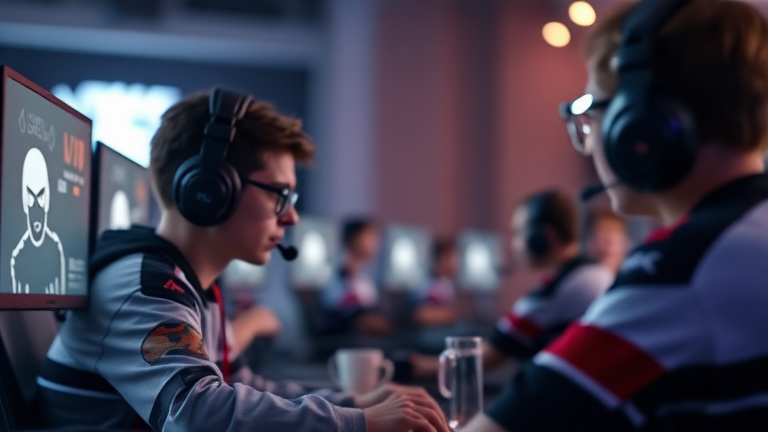
The esports industry is moving forward toward professional health. Major organizations are now launching comprehensive psychological wellness initiatives, acknowledging the intense pressure competitive gaming places on athletes. These programs include therapy resources, stress reduction tools, and player support systems created for esports competitors. As the industry matures, focusing on psychological wellness alongside physical performance has become vital. This article explores how leading organizations are transforming athlete support and establishing benchmarks for professional wellness in competitive gaming.
Industry Recognition of Mental Health Concerns
The esports industry has experienced substantial change in recognizing mental health as a vital aspect of competitor success and wellbeing. For years, competitive gaming was mainly concentrated on mechanical skill and strategic gameplay, with minimal focus given to the psychological demands affecting professional players. However, growing documentation of exhaustion and psychological struggles among esports athletes has caused major organizations to reassess their approach. This shift signifies a development of the industry, moving beyond the perception that mental health concerns are only private problems to recognizing them as legitimate occupational hazards that need formal assistance and support.
The esports competitive landscape introduces psychological unique stressors that distinguish it from traditional sports. Players encounter significant pressure from global audiences, relentless practice schedules, and the ongoing risk of career obsolescence due to quickly changing game metas. The young demographic of many esports professionals exacerbates these challenges, as many players are still developing emotional regulation skills while managing the demands of competitive play. Sleep deprivation, professional loneliness, and financial instability additionally contribute to psychological vulnerabilities. Understanding these multifaceted challenges, major organizations have started adopting robust mental wellness frameworks to address the root causes of player distress.
Industry leaders now recognize that investing in player mental health directly correlates with improved performance, stronger team dynamics, and long-term sustainability. By prioritizing psychological wellbeing alongside physical training, organizations recruit elite players and retain experienced players who might otherwise pursue other opportunities. This acknowledgment has catalyzed the creation of specialized mental health programs designed for esports-specific challenges. Major organizations are partnering with psychological experts to develop research-backed solutions, demonstrating that the industry is committed to sustainable player development and setting higher benchmarks for athlete care in competitive gaming.
Extensive Assistance Initiatives
Premier esports companies are rolling out multifaceted psychological wellness solutions that tackle the distinct psychological demands of competitive play. These broad-based efforts extend past conventional support offerings, providing personalized resources that accounts for the particular pressures esports athletes encounter. By integrating mental health services, wellbeing programs, and player support groups, companies are building comprehensive environments intended to foster long-term mental wellbeing and professional longevity for their players.
Expert Counseling Support
Major esports teams are partnering with certified psychological professionals who specialize in athlete psychology and gaming-related stress. These therapists provide individual therapy sessions tackling competitive anxiety, fatigue, and individual difficulties affecting players’ overall health. Organizations are guaranteeing confidential and accessible services, making available in-person or remote sessions to meet the needs of players’ busy schedules and different regions across multiple regions worldwide.
The integration of sports psychologists into esports organizations signals a significant shift in sector practices. These experts help players build emotional strength, navigate competitive demands, and maintain healthy work-life balance. By treating mental health with the equal weight as physical training, teams are lowering prejudice and prompting players to pursue help proactively during difficult times.
Health and Wellness and Resources
Esports organizations are launching comprehensive wellness initiatives that cover physical health, sleep quality, nutrition, and stress management. These programs acknowledge that mental health is tied to overall lifestyle factors. Players receive guidance on establishing healthy routines, managing screen time, and maintaining fitness levels that bolster cognitive function and emotional resilience during demanding competitive periods.
Educational workshops and digital tools empower players with practical tools for psychological wellness. Organizations provide availability of meditation software, stress-reduction techniques, and sleep improvement approaches created for esports professionals. These resources are provided on-demand, enabling players to develop personalized wellness routines that align with their unique circumstances and availability.
- Mindfulness and meditation training programs for stress management techniques
- Nutrition counseling and meal planning tailored for esports performance
- Sleep improvement programs focusing on sleep cycle management
- Training regimens designed for esports athletes and athletic development
- Peer support groups fostering community and shared experiences
Effects and Future Direction
The rollout of psychological support initiatives by leading esports companies is already revealing meaningful improvements for player wellbeing and performance. Initial findings suggests that competitors with counseling and stress management resources report improved focus, decreased worry, and enhanced overall quality of life. These programs are driving a change in culture within the industry, encouraging open dialogue about psychological wellness and lowering social stigma. As additional companies adopt similar initiatives, the cascading influence is encouraging up-and-coming competitors and developing organizations to emphasize mental wellness, creating a more holistic approach to professional gaming that values mental resilience alongside mechanical skill.
Looking ahead, the future of esports psychological support appears growing promising and comprehensive. Industry experts forecast that mental health services will become common practice rather than optional amenities, incorporated into player contracts and organizational budgets. Emerging technologies such as AI-powered stress monitoring and VR therapy sessions may improve support availability. Additionally, partnerships among esports organizations, sports mental health professionals, and academic organizations will likely advance innovation and research in this area. As the industry continues to mature, mental health support programs will serve as essential components in attracting talent, enhancing player retention, and positioning esports as a credible, athlete-focused competitive landscape.
