
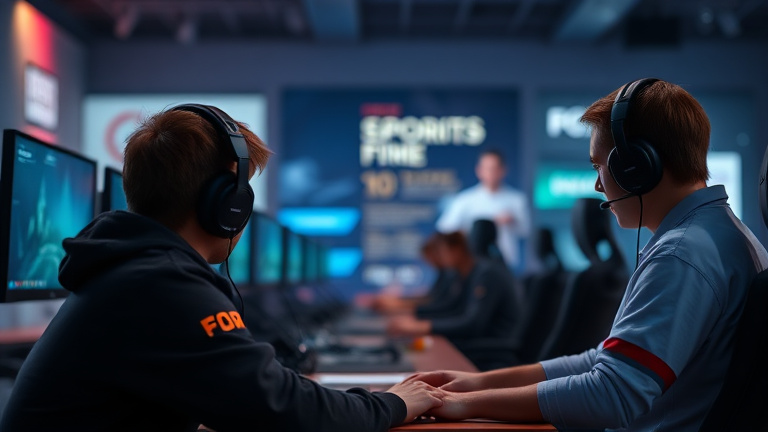
The esports industry has exploded into a multibillion-dollar sector, gaining recognition from major tech companies worldwide. Leading esports athletes are now securing record-breaking sponsorship deals with giants like Intel, NVIDIA, and Red Bull, reshaping esports from a niche hobby into a legitimate career path. This article investigates how leading competitive gamers are landing major sponsorships, the economic impact for the industry, and what these deals demonstrate about gaming’s mainstream acceptance and future growth potential.
The Expansion of Esports Sponsorships
The esports industry has seen a major transformation over the last ten years, growing out of underground gaming communities into a major entertainment force. As viewership numbers surge and prize pools increase dramatically, major technology companies have identified the significant earning opportunities within competitive gaming. This shift has transformed the landscape for professional esports athletes, who now have access to new possibilities to capitalize on their expertise and build sustainable careers through partnerships with worldwide organizations.
The surge of corporate investment into esports sponsorships shows wider industry patterns and consumer behavior shifts. Technology companies, in particular, view esports athletes as ideal brand ambassadors able to reach younger digital-first consumers with authentic engagement. These sponsorship deals extend beyond basic logo displays, including comprehensive partnerships that include equipment endorsements, streaming collaborations, and exclusive content creation. The monetary benefits have become substantial, with leading competitors securing contracts worth millions that rival traditional sports endorsements.
Top Tech Giants Enter the Esports Market
The influx of leading tech firms into esports represents a critical juncture for esports’ standing and profitability. Market frontrunners understand esports’ explosive growth and massive global audience, prompting calculated funding in sponsorships and partnerships. These company initiatives extend beyond straightforward brand tie-ups; they demonstrate authentic belief in esports’ sustained growth and financial returns. Major firms such as Intel, NVIDIA, and Corsair have created specialized esports departments, evidencing genuine dedication to supporting athletes and tournaments. This corporate support has fundamentally transformed esports from community-driven phenomenon into professionally structured competitive ecosystem with business framework.
Gaming Hardware and Hardware Partnerships
Hardware makers have emerged as primary sponsors of esports athletes, delivering high-performance gaming gear and considerable financial backing. NVIDIA and Intel battle aggressively for collaborations with professional teams and individual players, delivering high-performance graphics cards and processing units vital for competitive gaming. Peripheral companies like Corsair, SteelSeries, and Razer sponsor athletes with personalized keyboards, mice, and headsets. These collaborations support competitors through no-cost equipment and endorsement fees while offering companies valuable marketing exposure to millions of esports fans worldwide.
Equipment sponsorships frequently go beyond simple product provision to include joint development initiatives. Athletes partner with manufacturers to create specialized gear fine-tuned for particular competitions and competitive requirements. These partnerships produce genuine endorsements, as professional players truly depend on premium hardware for optimal performance. The visibility achieved through esports sponsorships boosts consumer interest and sales, rendering equipment partnerships highly valuable for technology companies aiming to connect with younger, tech-savvy demographics.
Software and Streaming Service Investments
Streaming platforms and software providers have made significant investments in esports sponsorships and infrastructure expansion. Companies like Discord, Twitch, and YouTube Gaming recognize the central importance of esports in their platforms’ growth and user engagement. These platforms support large-scale competitions, individual streamers, and professional teams while offering complimentary or reduced-cost services to gaming communities. Technology investments improve the competitive gaming experience through better streaming performance, communication tools, and distribution infrastructure that support entire esports ecosystems.
Technology companies also fund esports through competitive event infrastructure and broadcast technology partnerships. Companies develop specialized software for real-time broadcast, performance analytics, and audience engagement during competitive events. These investments produce smooth streaming experiences that draw both casual and serious fans alike. By managing key technical systems, software companies forge sustained partnerships with esports organizations while acquiring important data about gaming trends and audience preferences that shape future product development strategies.
Influence on Professional Gaming Athletes
The influx of highly profitable sponsorship deals has dramatically reshaped the financial landscape for competitive esports players. Elite athletes can now earn substantial income through endorsements, complementing tournament winnings and streaming revenue. This varied income channels offers improved financial security, allowing players to focus entirely on their craft without seeking other work. The financial stability enables athletes to invest in practice spaces, training personnel, and wellness services, ultimately improving performance levels across the entire esports ecosystem.
Beyond financial benefits, major sponsorships enhance the professional reputation and credibility of esports athletes on the global stage. Partnerships with prestigious technology brands enhances player reputation and earning potential, opening doors to additional opportunities in content production, broadcast opportunities, and brand ambassadorships. These deals affirm esports as a serious competitive discipline, bringing younger players to competitive play and motivating aspiring competitors around the world. Consequently, sponsorship agreements have played a key role in creating long-term career paths, establishing esports athletes as credible professionals equivalent to conventional athletes.
